Specialized Memory Care Services for Aging Adults
Tailored dementia care offerings for older populations are becoming more necessary in handling specialized mental processing issues. These plans focus on individualized care plans that reflect personal histories and preferences. By cultivating engagement through focused activities, they aim to improve total life satisfaction. Recognizing the intricacies of these supports can aid families in deciding wisely. What criteria should caregivers weigh when selecting the best appropriate cognitive care material program?
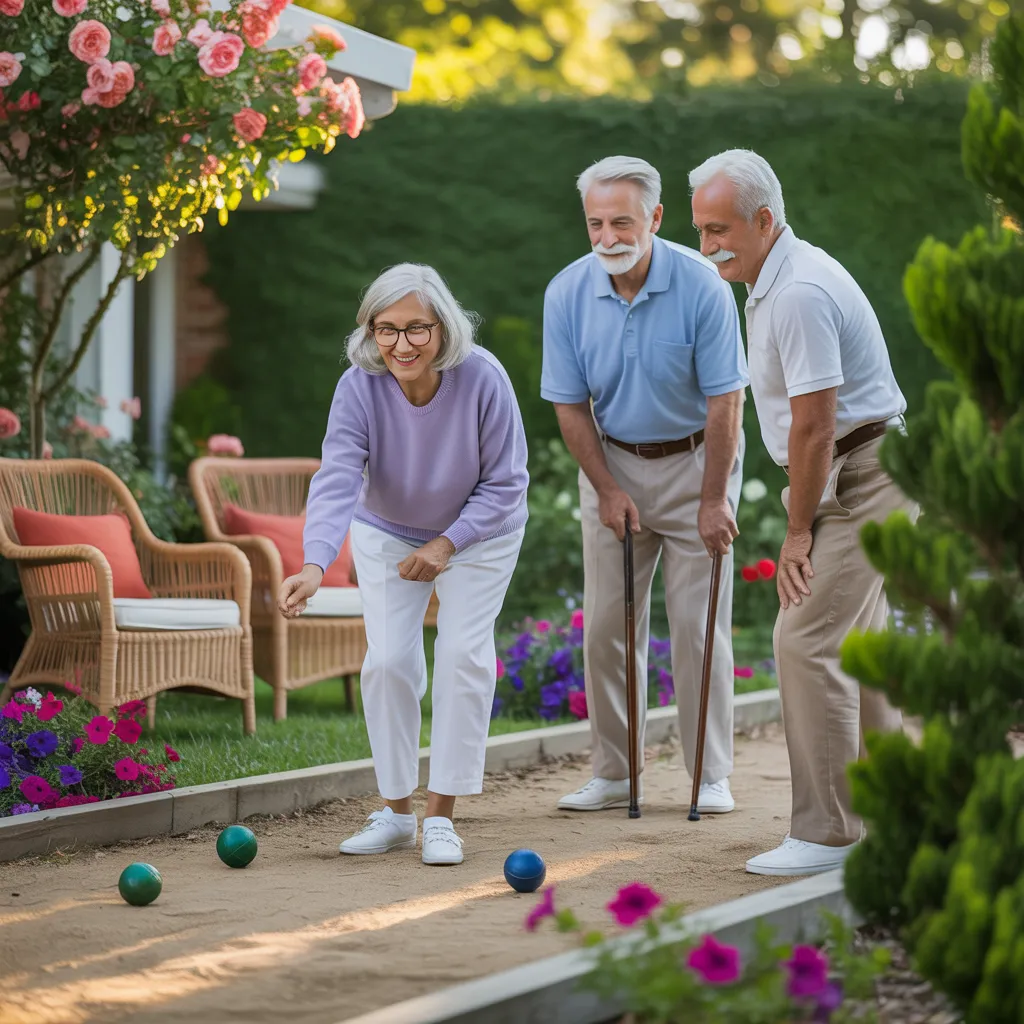
What You Should Learn Regarding Customized Memory Care Services
When reviewing memory care offerings, it is essential to understand how tailored approaches can markedly enhance the quality of life for older individuals facing mental decline. Tailored memory care services are designed to satisfy the particular needs of each individual, recognizing that mental deterioration impacts people in various ways. These services typically feature personalized activities and routines that correspond with a senior's preferences, abilities, and preferences, thereby fostering involvement and a sense of purpose.
Additionally, personnel educated in specialized memory care techniques can offer assistance that respects the dignity and autonomy of each client. This personalized care helps in minimizing distress and worry, which are common in those with cognitive decline. Furthermore, loved ones' participation is encouraged, ensuring a holistic approach to care. Ultimately, customized dementia support programs aim to create an setting where seniors can flourish, fostering both psychological health and mental stimulation.
Rewards of Customized Care Strategies for Memory Difficulties
Personalized treatment strategies play a significant role in tackling the unique memory challenges experienced by seniors. These tailored strategies are intended to fulfill personal requirements, making certain that care corresponds to the specific cognitive and emotional needs of each senior. By focusing on personal histories, preferences, and abilities, such plans foster a feeling of security and ease, which can alleviate anxiety often linked to memory loss.
Moreover, bespoke treatment strategies strengthen participation by including programs that align with the seniors' interests, fostering mental stimulation and community interaction. This individualized method can lead to improved mental performance and a better standard of living. Additionally, caregivers equipped with thorough understanding of the senior's preferences can provide more caring and helpful support, minimizing feelings of frustration for both involved. Ultimately, tailored care plans empower seniors, facilitating them to address their cognitive challenges with dignity and confidence.
Ideal Practices for Customized Memory Care Plans
Promoting best practices for tailored memory care programs requires a broad understanding of each senior's unique needs and preferences. Care providers should stress thorough assessments that explore cognitive functions, physical health, and emotional well-being. This primary understanding permits the development of customized care plans that successfully handle concrete obstacles.
Frequent staff training is critical, ensuring care professionals are equipped with the current methods in memory care. Partnership with relatives fosters a supportive environment, allowing caregivers to blend in personal histories and preferences into regular activities. Utilizing technology, such as alert systems and collaboration platforms, can enhance safety and participation.
Moreover, adaptability in care plans is crucial; adjustments should be made as seniors' conditions change. Regular assessment of care effectiveness through feedback and monitoring ensures continuous improvement. By following these proven strategies, memory care programs can provide a supportive and responsive environment that fosters dignity and quality of life for seniors.
Activities That Strengthen Quality of Life in Memory Care
Specialized memory care programs not only concentrate on individualized care plans but also emphasize the importance of stimulating programs that enhance the quality of life for older adults. These programs are designed to stimulate cognitive function while promoting interpersonal engagement and mental health. Creative art sessions, musical activities, and horticultural activities can offer creative outlets, allowing residents to express themselves and connect with their surroundings.
Structured reminiscence therapy encourages seniors to share past experiences, creating a sense of identity and purpose. Physical activities, such as gentle exercises or dance, help sustain mobility and enhance mood. Additionally, sensory activities—like cooking or pet therapy—can evoke pleasant feelings and heighten sensory perception.
Finding the Optimal Memory Care Service for Your Family Group
How can families ensure they choose the most suitable memory care service for their family members? The decision begins with thorough investigation. Relatives should assess the specific needs of their family members, considering factors such as the nature and level of memory decline. Visiting potential centers enables relatives to observe the setting, staff interaction, and accessible amenities.
Accreditation and caregiver credentials are essential indicators of excellence. Families should inquire about caregiver-to-patient ratios and the education given to caregivers. Additionally, it is important to assess the range of programs and treatments offered, as these can greatly impact residents' quality of life.
To summarize, families should look for reviews and testimonials from fellow parents to collect direct insights. By balancing personal needs with expert guidance, parents can make informed choices that guarantee their family members get the compassionate and tailored care they deserve.
Frequently Asked Questions
How Do I Evaluate My Family Member's Specific Cognitive Support Needs?
To determine distinct cognitive support requirements, one should observe behavioral changes, communication abilities, daily activity performance, and emotional health. Consulting healthcare professionals for assessments and gathering feedback from care providers can better identify those needs.
What Credentials Must Caregivers Possess in Memory Care Facilities?
Staff members in care facilities need to possess proper certifications, specialized dementia education, skilled communication, understanding, and expertise. Also, they must display patience and versatility to appropriately support the specific requirements of residents.
Are Specialized Memory Care Services Protected by Insurance?
Insurance coverage for tailored memory care services varies considerably among providers. Many plans may help pay for expenses, but it's essential for individuals to verify details with their insurance provider to comprehend their coverage and limitations.
How Commonly Are Care Plans Get Reviewed and Modified?
Care plans are typically assessed and modified regularly, often quarterly or biannually. This ensures that the evolving needs of people are addressed properly, enabling modifications to treatment approaches and support methods as needed.
What Details Should I Pay Attention to Throughout a Facility Showing?
Throughout a facility tour, one should inspect neatness, staff interactions, resident engagement, safety measures, available amenities, and overall atmosphere. Additionally, evaluating the facility's approach to personalized care and community partnerships is essential for informed making informed decisions.